If you have a child approaching the "big school" transition, you are likely feeling a mix of pride and apprehension. As a former early childhood educator with over a decade of experience in the classroom, I have sat through hundreds of orientation sessions. Without fail, at the very end of the night, a parent will catch me near the door, lean in, and whisper, "My child still needs help wiping after using the bathroom. Will they be okay at school?"
I want to start by saying this: You are not alone, and your child is not "behind." Every child develops at their own pace. However, understanding how to navigate this milestone is a cornerstone of effective school readiness support. Let’s pull back the curtain on what schools expect, why self-care is a developmental journey, and how you can bridge the gap before the first bell rings.
School Readiness is "Whole-Child," Not Early Academics
There is a persistent misconception that school readiness means being able to write your name or count to 100. While those skills are wonderful, they aren't the primary indicators of a successful transition. Qualified early childhood educators will tell you that the most successful primary school students are those who possess "whole-child" readiness: the social, emotional, and physical independence required to navigate a classroom environment.
When we talk about school readiness, we are really talking about self-care skills. Can your child manage their own belongings? Can they open their lunchbox? Can they handle their clothing when nature calls? These are the foundational blocks that allow a child to feel confident and secure, freeing up their brain power to focus on literacy and numeracy once they managing school separation anxiety are in the classroom.
The Toileting Question: Addressing Hygiene Independence
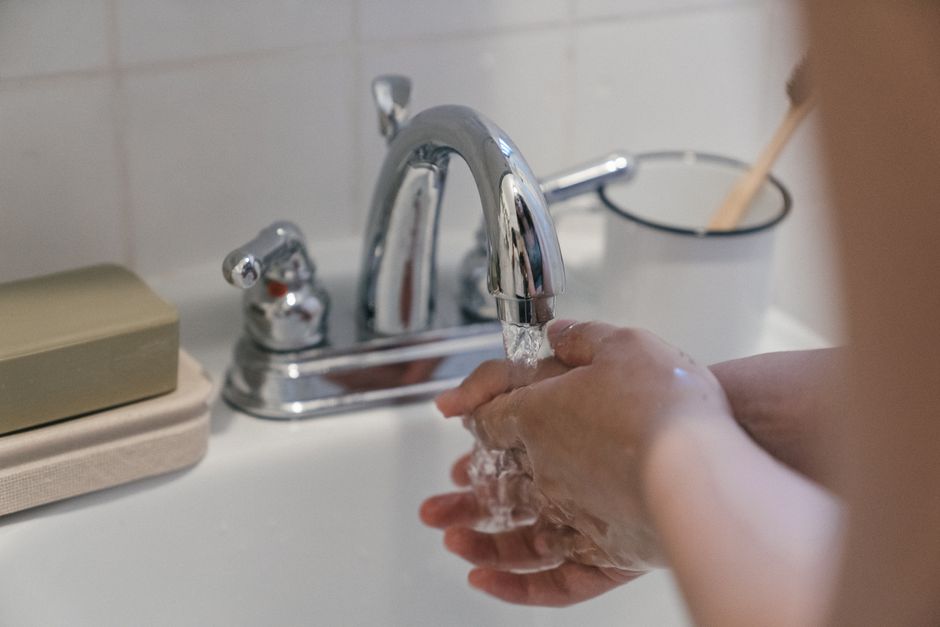
Let’s address the elephant in the room: Toileting at school. In almost all primary school settings, children are expected to be independent in the bathroom. Teachers are generally not permitted to provide personal hygiene assistance unless there is a specific, documented medical need or an existing support plan in place.
Does this mean you should panic if your child isn't quite there yet? No. It means it is time to turn "bathroom time" into a structured practice routine at home. Here is how to approach it:
- Analyze the hurdle: Is it a coordination issue? A fear of the bathroom environment? Or a lack of habit? Clothing matters: Ensure your child is wearing pants with elastic waistbands. Belts, buttons, and stiff denim zippers are the enemy of independence for a five-year-old. Practice the sequence: Teach the "wipe, stand, check, flush, wash" sequence as a non-negotiable routine. Visual Aids: Use a simple picture chart in the bathroom to reinforce the steps until it becomes muscle memory.
The Role of Play-Based Learning in Self-Care
You might be surprised to learn that the path to independent toileting, dressing, and eating starts on the living room floor. Developing the fine motor skills required for zipping a lunchbox or managing clothing in the bathroom is directly linked to play-based learning activities.
When your child engages in play, they are strengthening the tiny muscles in their hands and improving their hand-eye coordination—the exact skills they need for self-care. Here is how your daily play routine supports their school readiness:
- Playdough and Art Materials: Squishing, rolling, and pinching playdough develops hand strength, which is vital for the grip needed to pull up pants and manage toilet paper. Blocks and Puzzles: Manipulating these objects improves spatial awareness and coordination. Child-Safe Scissors: Using scissors requires precision and bilateral coordination, which helps with the fine motor control needed for buttons, snaps, and zippers.
Professional Support: When to Reach Out
Sometimes, a child’s struggle with self-care has a physiological or sensory root. This is where you should not hesitate to seek professional guidance. If your child is struggling with fine motor tasks, balance, or sensory processing, occupational therapists are the gold standard for support. They can provide targeted exercises to help a child build the strength and coordination needed for independence.
Similarly, if your child is struggling to communicate their needs to a teacher—perhaps because they are too shy to ask for help— speech pathologists can work with them on social communication skills, giving them the confidence to advocate for themselves in the classroom.

A Quick Reference: The School Readiness Skills Checklist
Use this table to assess where your child currently stands. Remember, these are targets, not tests. If your child isn't hitting all of them yet, use the remaining time before school starts to focus on just one or two.
Skill Category Independence Goal Practice Strategy Toileting Wiping independently and managing clothes Focus on elastic waistbands; practice in home clothing. Eating Opening containers/lunchboxes Pack "test" lunches at home; use easy-open tubs. Dressing Putting on a jumper and shoes Use Velcro shoes instead of laces until the skill is mastered. Belongings Recognizing their own name and bag Practice packing and unpacking their school bag.Leveraging Orientation Visits and School Transition Supports
Most schools offer orientation visits and information sessions (school transition supports). These are not just for the children; they are invaluable for parents. During these sessions, do not be afraid to ask the staff about their specific policies regarding bathroom accidents or support.
Teachers are human beings. They understand that every child has a "bad day." Most schools have a standard protocol for accidents that involves a spare set of clothes and a discreet way of helping the child change. Knowing the plan will significantly lower your anxiety level, which in turn will help your child feel more confident.
Final Thoughts: You Are Your Child’s Best Coach
The journey toward independence is a marathon, not a sprint. If your child still needs help with wiping or zipping their bag, don’t view it as a failure of school readiness. Instead, view it as an opportunity for some focused "home-schooling" on life skills.
Keep the pressure low and the encouragement high. Use your play-based activities to sneak in those fine-motor workouts, ensure they have clothing that supports their independence, and maintain open communication with their future teacher. Your child is going to grow, learn, and adapt faster than you expect. By focusing on these essential self care skills now, you are giving them the ultimate gift: the ability to walk into their new classroom feeling capable, prepared, and ready to learn.
Take a deep breath, Mom and Dad—you’ve got this, and more importantly, so do they.