I’ve https://fire2020.org/whats-a-realistic-weekly-schedule-for-learning-scratch-at-home/ sat in the back of enough computer labs to spot the exact moment a child’s eyes glaze over. It usually happens about seven minutes into a "Coding 101" video tutorial that forces them to watch a talking head explain the definition of an integer. If your child is currently treating Scratch like a chore—something to be "finished" rather than explored—you aren't alone. You’re just fighting a common, albeit unintentional, battle against "educational" fatigue.
Coding should feel like play, not a second shift after school. When we strip the joy out of block-based programming, we turn a creative superpower into a digital worksheet. If you want to rekindle that spark, we need to shift our focus from "learning to code" to "project-based Scratch" experimentation.
The Homework Trap: Why Kids Check Out
The primary reason coding starts feeling like homework is structure without agency. Many online platforms sell themselves as "interactive," but they are actually just passive content delivery systems. If the child is clicking "next" on a video and copying code they don't understand, they aren't coding; they are transcribing.
The magic of Scratch lies in its tactile nature. Those snap-together command blocks are meant to be treated like digital LEGO bricks. When a child is told to "build a precise replica of this specific game," the play disappears. When they are told, "How can you make the cat spin when it touches the mouse pointer?" the play returns.
Start Small: The "Tiny Project" Rule
Before you commit to a subscription or a long-term plan, avoid the "big project" trap. Beginners get overwhelmed when they try to build a full-fledged platformer game on day one. It leads to frustration, and that frustration turns into "homework."
Instead, encourage a tiny, 5-minute project. Try this tonight: The 10-Second Countdown Timer.
- Create a variable called "Timer." Use a "When Green Flag Clicked" block. Use a "Repeat 10" loop that changes the timer by -1 and waits 1 second. Add a "Say" block at the end that shouts "Blast off!"
That’s it. It’s an immediate, satisfying win. Once they master that, they’ll want to change the text to "Boom!" or make the sprite jump. That curiosity is the engine of motivation kids coding requires to succeed.
The Landscape of Coding Instruction
Choosing the right format for your child is the biggest factor in whether they view coding as a hobby or a chore. Here is a breakdown of how these different models impact a child's mindset.
Learning Format Pros Cons Verdict Free Self-Guided Low barrier to entry; zero cost. No feedback loop when bugs occur; easy to get discouraged. Good for tinkerer kids, bad for those needing encouragement. Pre-recorded Videos Go at your own pace; usually affordable. "Passive" experience; very high "homework" feel. Often leads to boredom after the first module. Live 1:1 Instruction Immediate feedback; personalized pacing. Higher cost; requires scheduling. Best for kids who need social validation and guidance.The "Stuck" Moments: Where Coding Turns to Frustration
As a former instructor, I have a mental list of the three specific technical hurdles that cause kids to throw their hands up and declare, "This is boring!" If you are helping your child, watch for these moments. If they hit one, don't give the answer—ask a question that points them in the right direction.

1. The Infinite Loop
Kids often forget how a computer "thinks." When they accidentally nest a loop inside a loop without a "wait" block, the computer freezes. Instead of fixing it for them, ask, "Do you think the computer is confused because it’s trying to do everything at once? How could we give it a tiny 'nap' in between actions?"
2. The Broadcast Block
Communicating between sprites is the hurdle that separates beginners from intermediate coders. It feels like magic until it doesn't work. If the sprite isn't reacting to the message, check the "When I Receive" block together. Make it a scavenger hunt to find where the message was sent.
3. The Clones
Clones are the gateway to making cool games, but they are notoriously finicky. If a kid creates 500 clones of a cat, the project will crash. Celebrate the crash! It’s a "feature" of their game gone wild. Turning an error into a funny moment prevents that feeling of "I broke it, I’m bad at this."
Why 1:1 Teaching Matters for Younger Kids
For kids ages 5-10, the social component is everything. They don't just want to build; they want to show you what they built. When an instructor (or a parent) sits with them, the coding session becomes a collaborative project.
Live instruction offers something video tutorials cannot: Contextual feedback. A pre-recorded video will tell you *how* to snap the blocks together, but it won't notice that your child is tired, frustrated, or bored. A teacher can pivot. If the lesson on "variables" is dragging, a https://dlf-ne.org/is-scratch-good-for-making-real-games-or-just-simple-cartoons/ good teacher will pause and say, "You know what? Let's just make the cat dance to your favorite song instead."
How to Keep the Motivation High
If you want to keep coding feeling like play, follow these golden rules for parents:
Follow their curiosity: If they want to make a story instead of a game, let them. If they want to make a game where everything explodes for no reason, let them. Focus on the outcome, not the syntax: Don't worry if their code is "messy." As long as it works, they are learning the logic. Show it off: Nothing motivates a child more than showing their project to a grandparent, a sibling, or a friend. Validating their work makes the struggle of the "stuck" moments worth it. Avoid the "Fast" trap: Ignore programs that promise to turn your child into a "computer science prodigy in six weeks." They are selling a dream to parents, not a skill to kids. Real mastery comes from months of small, fun, messy projects.Final Thoughts: The Goal is Logic, Not Perfection
At the end of the day, we aren't teaching 7-year-olds to be software engineers. We are teaching them to be problem solvers. We are showing them that when a character doesn't jump, it’s not because they are "bad at coding"—it’s because they missed a step in the sequence. That is a life lesson, not just a tech skill.
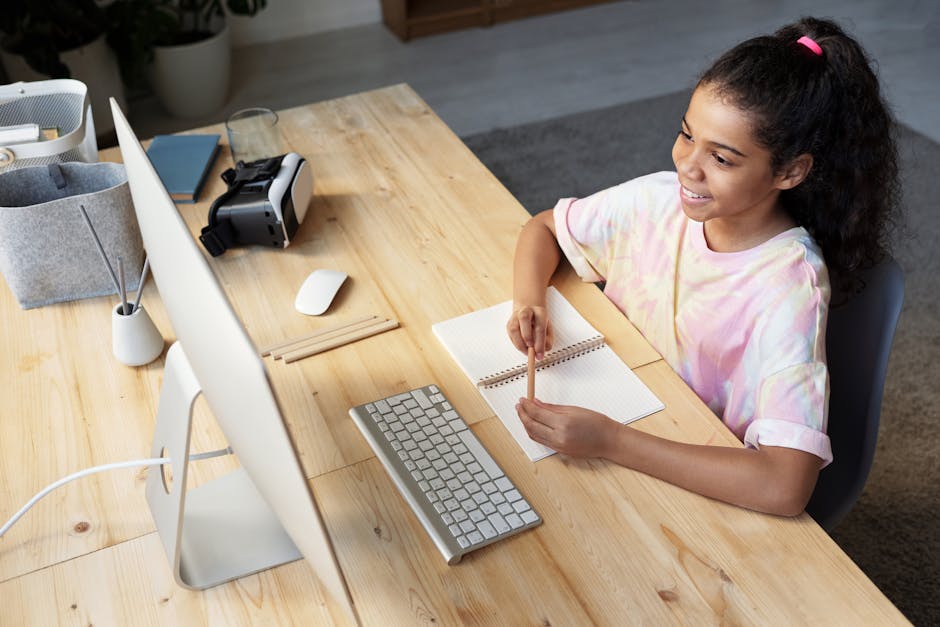
Keep the projects small, keep the feedback immediate, and for heaven's sake, keep it fun. If they are smiling while they are dragging those command blocks across the screen, you’ve already won. The coding part? That will happen all on its own.